Do I need an app to charge at an EV charging station in Australia?
There are 35 EV charging station networks across the continent of Australia.
3 of the large networks offer Autocharge, starting automatically when you plug in. Half let you add and use your own single RFID card or tag, to activate them. Some have credit card terminals, some use QR codes to a portal, most have an app, some a combination of methods.
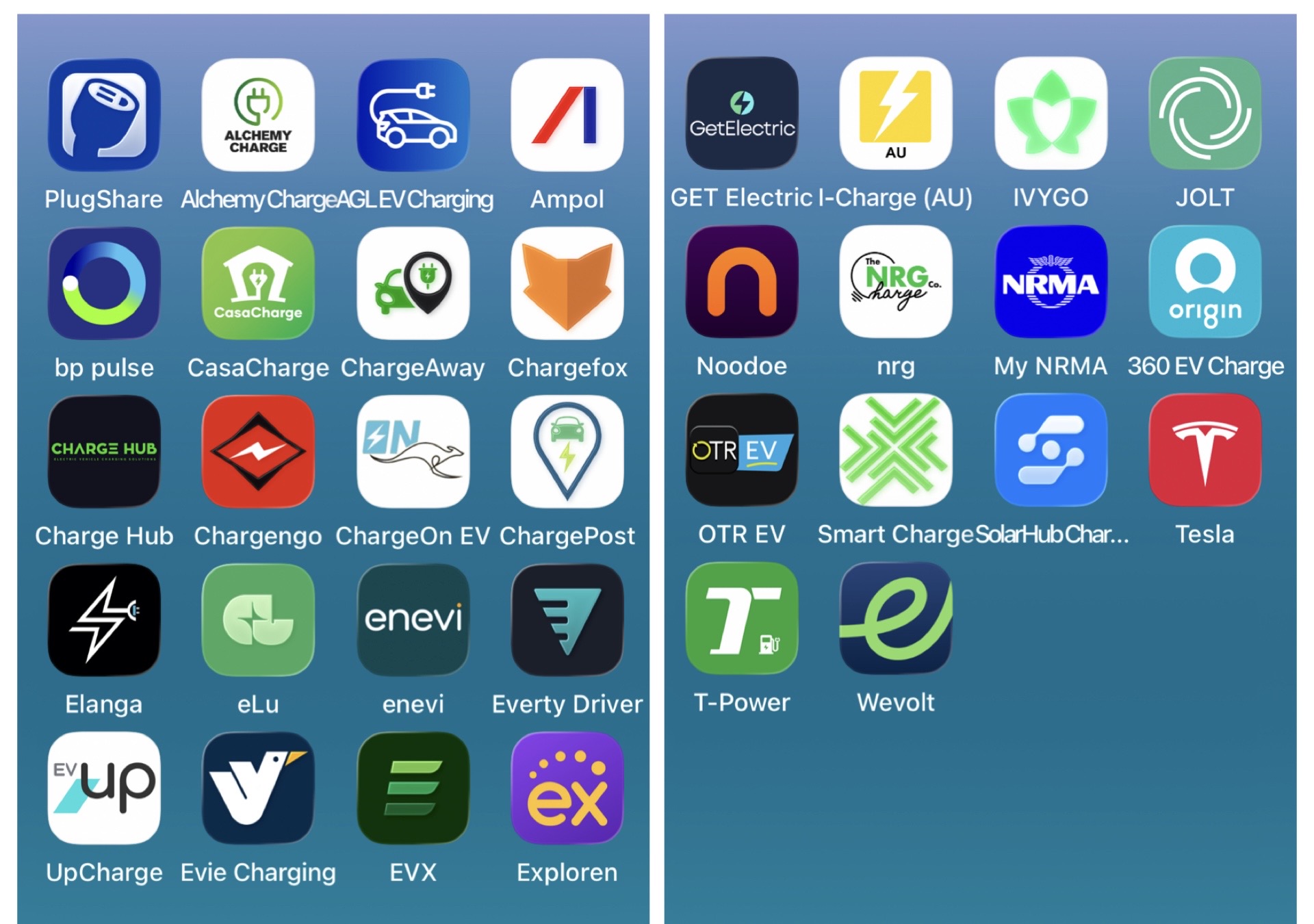
A full list of EV charging apps in Australia is at https://myevjourney.com/2023/04/07/ev-charging-apps-for-evs-in-australia/

Best EV charging apps in Australia?
Best EV Charging Apps in Australia include AGL, Alchemy Charge, AmpCharge, BP Pulse, CasaCharge, ChargeAway, Chargefox, Charge Hub, Charge N Go Australia, ChargeOn EV, Chargepost, Elanga, Elu, Enevi, Everty, Evie, EVUp UpCharge, EVX Australia, Exploren, Get Electric, I-Charge, Ivygo, Jolt, NRMA, Noodoe, NRG Charge, Origin 360 EV, OTR EV, Smart Charge, SolarHub Charge, T-Power, Tesla and Wevolt. The PlugShare App shows locations and reviews of most of these public EV chargers in Australia. Check PlugShare to see the networks in your region, or where you are travelling and choose their app.
Which EV charging networks have Autocharge or Plug & Charge?
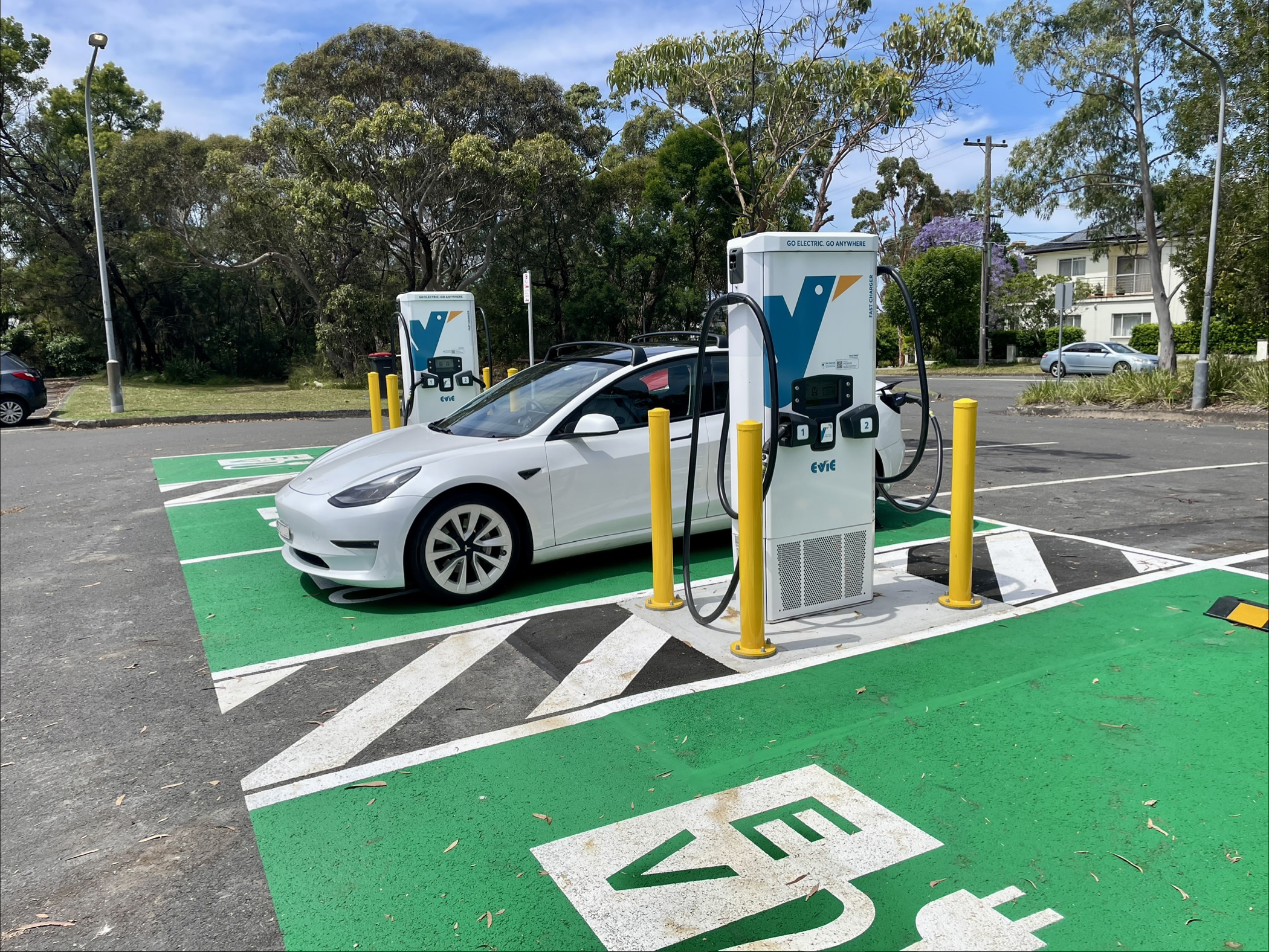
In Australia EV charging station networks with Autocharge are Evie, Jolt and Tesla. For Evie and Jolt, download their apps to join and activate Autocharge. Then you will be able to plug in and charge automatically, without using a phone or card. For Tesla, autocharge is already activated for Tesla vehicles. Non Teslas may use many of the Tesla chargers, by using the Tesla app or in some cases a credit card, but not Autocharge.
Plug & Charge is not utilised here in Australia yet.
How does EV charging pricing work?
The most common method used for the price of EV charging is $/kWh, but networks may use a mix of pricing methods, including a Parking Fee, Duration Fee, Idle Fee, Minimum Price, Connection Fee, Flat Fee or Reservation Fee. EV charging costs are listed here https://myevjourney.com/2025/10/04/ev-charging-pricing-methods-terminology-australia/
How much does it cost to charge an EV at a public charger in Australia?
EV charging costs in Australia at public chargers, range from 15c/kWh to $110/kWh. The average AC cost is between 30-60c/kWh and average DC cost 50-90c/kWh. A list of costs for the major DC charging networks in Australia is here https://myevjourney.com/2025/07/20/ev-charging-costs-australia/
How do I use an EV charging station in Australia?
DC public charging stations have their own cable attached. For public AC charging stations, you may need to BYO Type 2 cable. I carry and use a 22kw 32A 3Phase Type 2 Cable. There are different strengths of cable, 7kw or 22 kw. For Tesla you need the 22 kw 32A 3Phase cable.
3 of the large networks offer Autocharge, starting automatically when you plug in. Half let you add and use your own single RFID card or tag, to activate them. Some have credit card terminals, some use QR codes to a portal, most have an app, some a combination of methods.
Is there tap and pay EV charging in Australia?
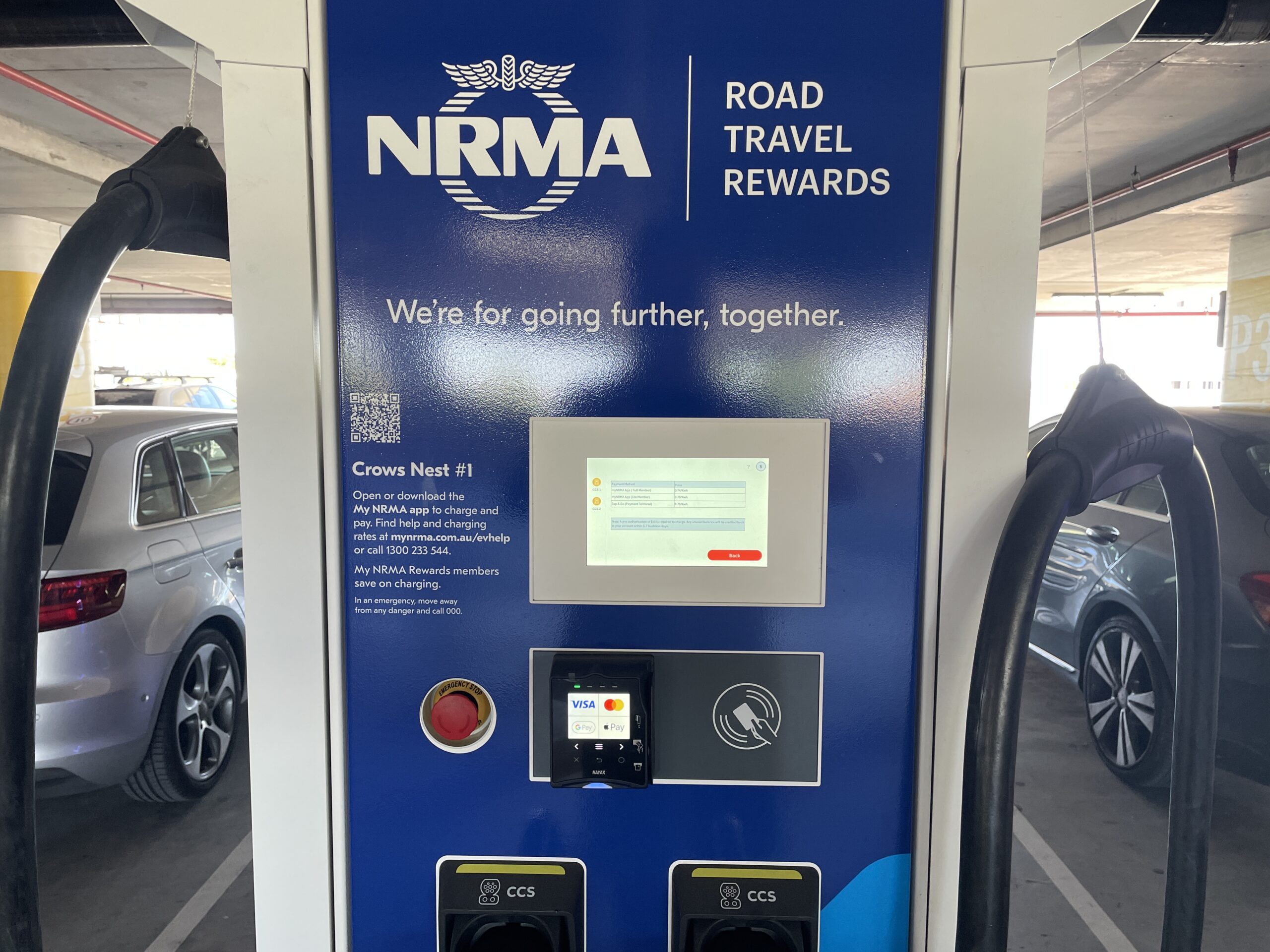
Tap and pay EV charging is available in Australia at some EV charging stations. Many have RFID readers, allowing you to use an RFID card to tap and activate the charger and the network will automatically charge you account. You need to add your credit or debit card to their app before hand. Some EV charging stations have tap and pay credit/debit card terminals on them, which allow you to tap to activate and pay, without an account.
Can I use an RFID card for EV charging in Australia?
Yes, you can use an RFID card at 20 of the networks.
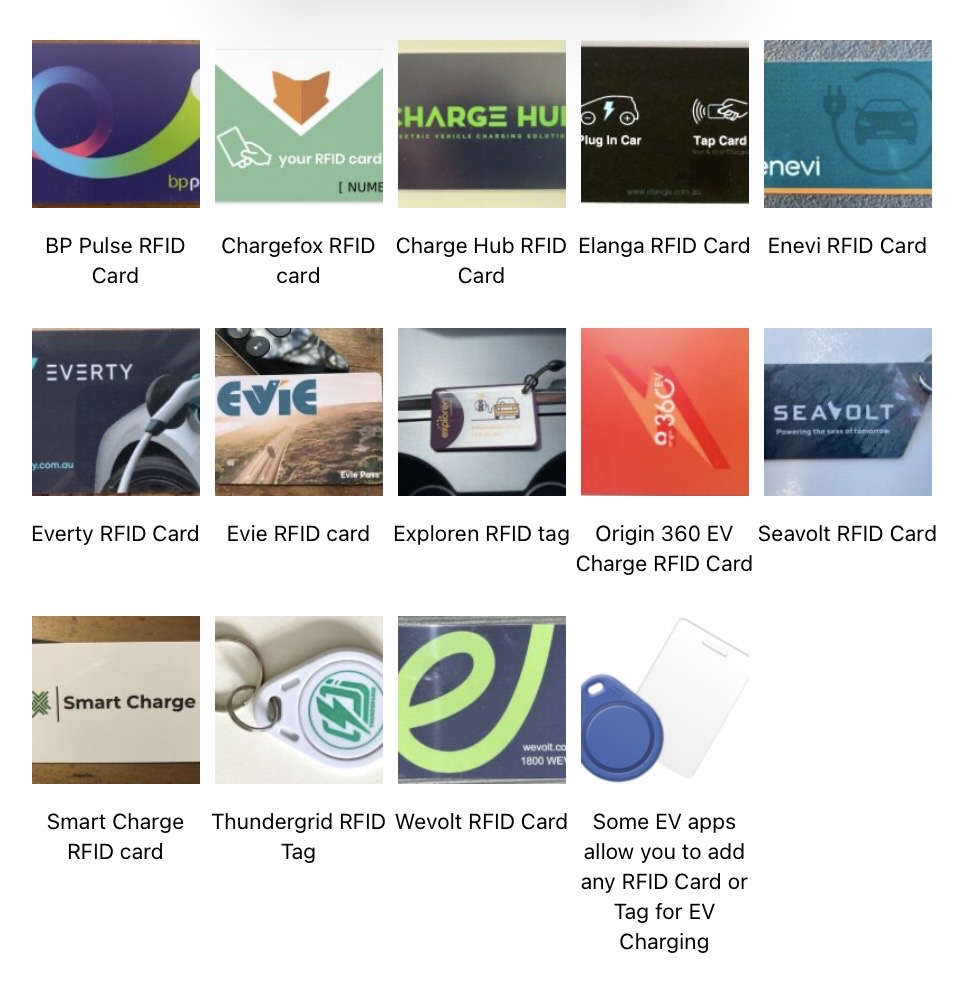
16 EV Networks let you add your own RFID card or RFID tag for charging
♦ BP Pulse, Chargefox, Elanga, Enevi, Everty, Evie, Exploren, Wevolt and Thundergrid Australia have their own RFID cards but also allow you to add your own RFID card or tag number.
♦ AGL, EVX, Get Electric and SolarHub don’t have their own RFID card but allow you to add your own RFID card in their app.
♦ NRMA, RAA, AGL, EVX Australia let you use any RFID card, linked to your Chargefox account, to charge your EV.
4 EV Networks only let you use the RFID card they issue you
♦ Charge Hub, Origin 360 EV Charge, Smart Charge and Seavolt use only the RFID card they issue you.
18 EV Networks don't yet provide a RFID card or option to add one
♦ Alchemy Charge, AmpCharge, Casacharge, ChargeAway, Charge N Go Australia, ChargeOn EV, ChargePost, Elu, EVUp, I-Charge, Ivygo, Jolt, Noodoe, NRG Charge, OTR EV, Sonic Charge, T-Power and Tesla don’t offer RFID Card activation.
How long to charge an EV?
When on a road trip, I stop for 15-30 minutes for coffee or food every couple of hours and so I charge during that time, not because I need to, but topping up when stopped means not needing to stop later just to charge.
I recorded the average time I chose when DC charging and it was 25 minutes, over the year to 30 Nov 2025 in which I drove 23,000km.
Most of my Tesla Supercharger use has been while travelling, charging 28 times for between 8 and 34 minutes, my average Tesla DC charge time is 20 minutes.
My average DC charge time overall is 25 minutes, but depends on where I choose to charge.
For example, I have used Jolt and Exploren DC chargers while in my home town. Jolt are slow chargers, suited to plugging in when doing something for up to an hour. My average Jolt DC charge time is 37 minutes and average Exploren DC charge time is 23 minutes.
I use Evie both while travelling and around my home city. My average Evie DC charge time is 24minutes.
My EV is a 2021 Tesla Model 3 LR dual motor AWD with a 75kWh NCM battery.
My fastest charging rate was when the charge rate peaked at 196kW at the DC charger at Holbrook NSW, taking my EV from 16% to 80% in 25 min.
When I charged from 80 to 100 was at my local Exploren DC charger, it started about 49kWh at 80%, reducing to 10kWh at 99% and it took longer to do that last 20% than it did to get to 80%.
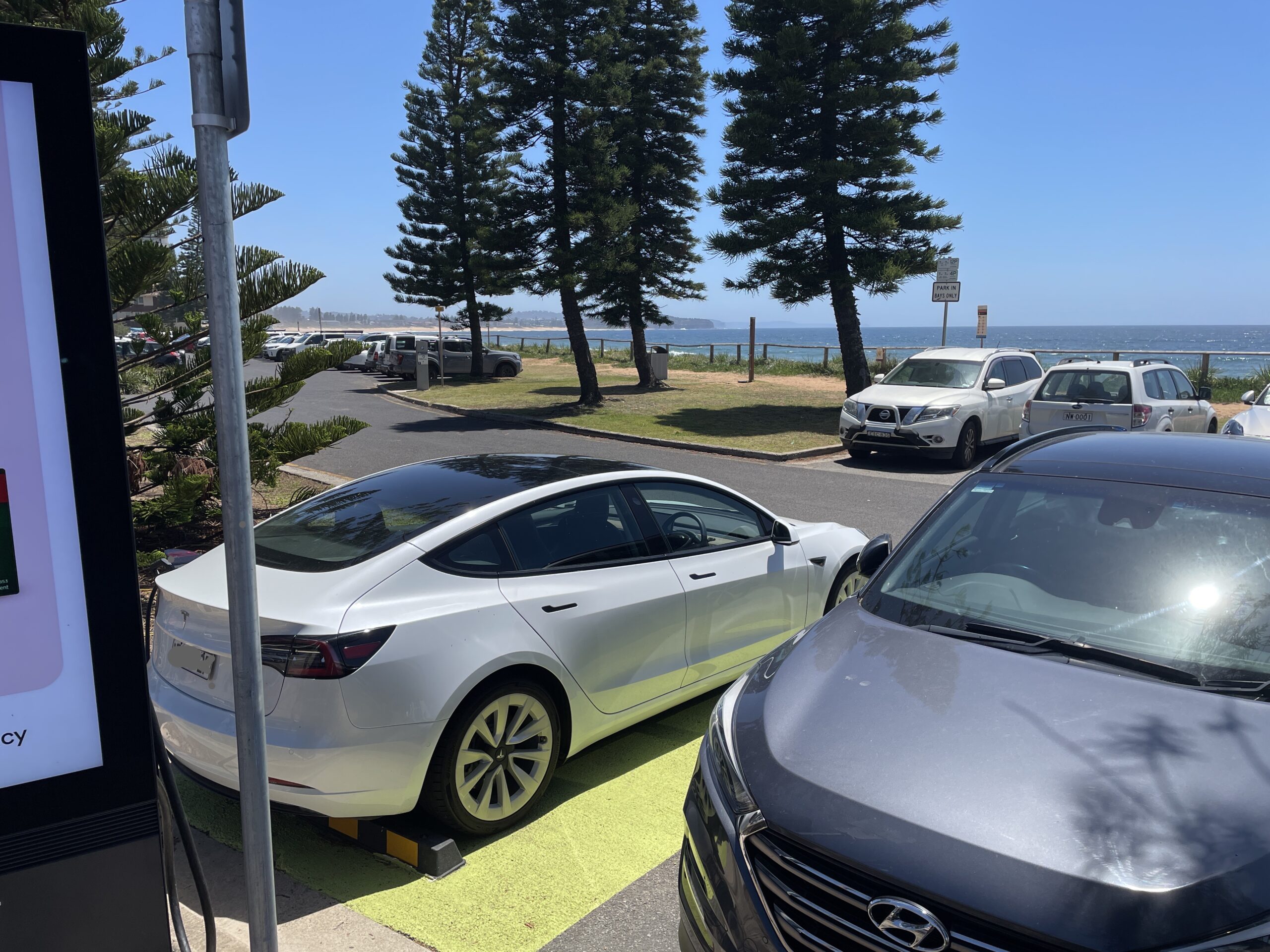
The slowest rates I have chosen when travelling, have been while I’m at the beach or stopped for visiting, meetings or other work. The rate is 11kWh at one of the many AC charge points around, which tops up my EV battery by 30% in 2 hours.
Are there Idle Fees at an EV Charger in Australia?
Yes, there are idle fees at many EV chargers in Australia.
The $/kWh price is the most common method used by AC EV charging networks, but some use a range of other methods, in addition to or instead of a kW/hr rate. Pricing may include an hourly Duration Fee while charging, or an Idle Fee if you remain parked after charging. Some AC duration fees are 20c/minute and some AC idle fees are up to $1/minute. So always good to move the car when finished charging.
The $/kWh price is the most common method used by DC EV charging networks, but some use a range of other methods, in addition to or instead of a kW/hr rate. DC Pricing may include an hourly fee while charging, or when congested, like 50c/minute, or an Idle Fee if you remain parked after charging. Some DC Idle fees are from 3c to $2/minute, so always good to move the car when finished charging.
Which app for trip planning that shows all EV charging station networks in Australia?
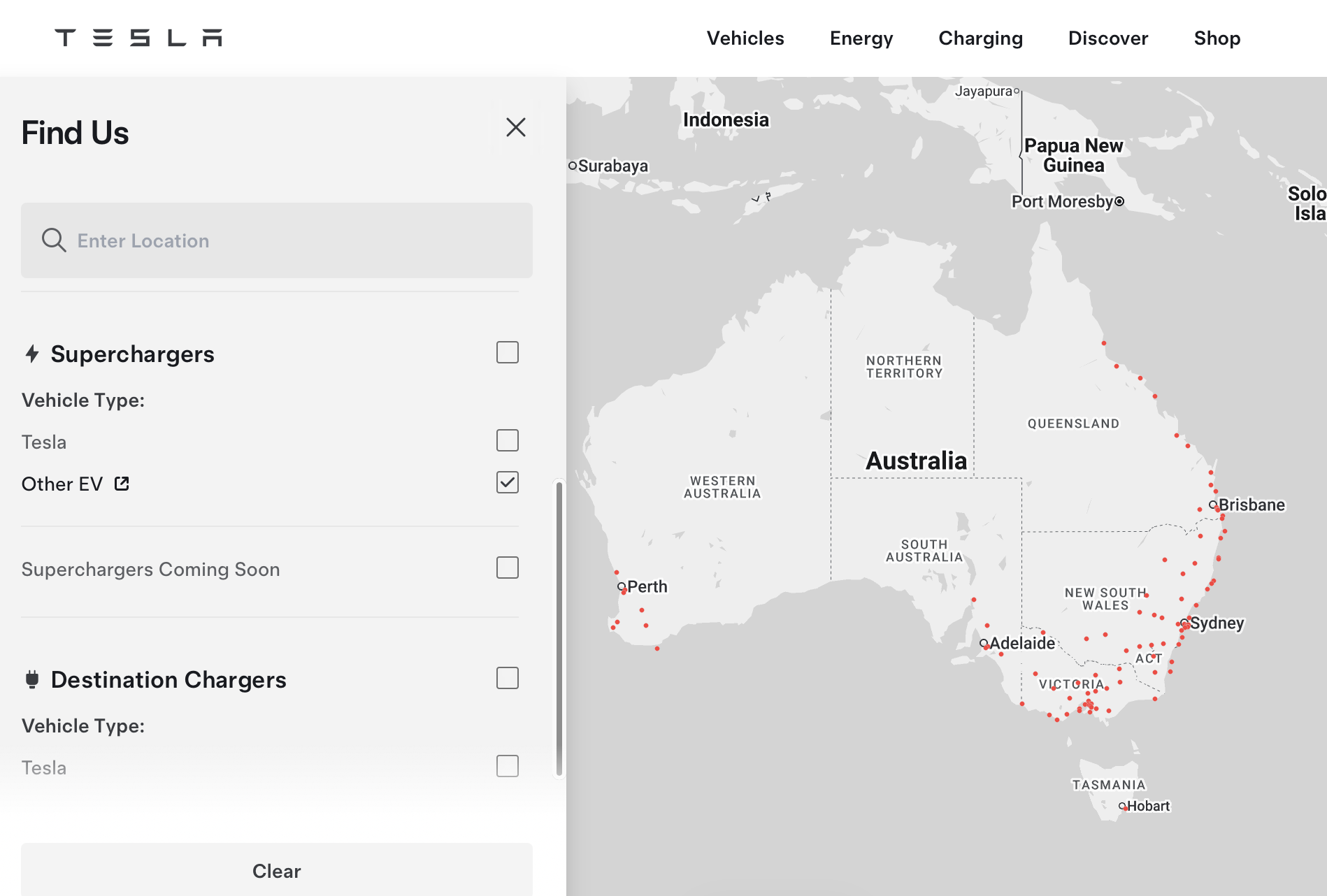
Which Tesla Superchargers are open to non Tesla vehicles in Australia?
The Tesla app, or the map on the Tesla website will show location of Superchargers open to non Tesla EVs. After you open the map, use the filter to select Other EV under Superchargers https://www.tesla.com/en_au/findus?bounds=-1.7903633671642891%2C-150.67685866365974%2C-49.116952666535006%2C85.30946946134026