When on a road trip, I stop for 15-30 minutes for coffee or food every couple of hours and so I choose to charge during that time, not because I need to, but topping up when stopped means not needing to stop later just to charge.
I recorded the average time I chose when DC charging and it was 25 minutes, over the year to 30 Nov 2025 in which I drove 23,000km.
Most of my Tesla Supercharger use has been while travelling, charging 28 times for between 8 and 34 minutes, my average Tesla DC charge time is 20 minutes.
My average DC charge time overall is 25 minutes, but depends on where I choose to charge.
For example, I have used Jolt and Exploren DC chargers while in my home town. Jolt are slow chargers, suited to plugging in when doing something for up to an hour. My average Jolt DC charge time is 37 minutes and average Exploren DC charge time is 23 minutes.
I use Evie both while travelling and around my home city. My average Evie DC charge time is 24minutes.
My EV is a 2021 Tesla Model 3 LR dual motor AWD with a 75kWh NCM battery.
Table: Time charging at a DC charger
My fastest charging rate was when the charge rate peaked at 196kW at the DC charger at Holbrook NSW, taking my EV from 16% to 80% in 25 min.
When I charged from 80 to 100 was at my local Exploren DC charger, it started about 49kWh at 80%, reducing to 10kWh at 99% and it took longer to do that last 20% than it did to get to 80%.
The slowest rates I have chosen when travelling, have been while I’m at the beach or stopped for visiting, meetings or other work. The rate is 11kWh at one of the many AC charge points around, which tops up my EV battery by 30% in 2 hours.
With an electric vehicle, unlike a petrol car, you don’t need to break your journey to go to a petrol station to refuel. Instead when you stop somewhere to do some work, visit a friend, go to the beach, walk the dog, have a meal, or stay overnight, you just plug in your EV while there. This way, you top up your car at a park or business of your choosing, while doing what you want to, without a special stop to charge.
Some of the petroleum retailing companies, like BP and Ampol, are installing EV chargers at their petrol station sites, to attract EV drivers to still stop there, so the travellers still use the retail outlets that are on site.
So EV drivers now have an increasingly large choice of places they can charge when they stop.
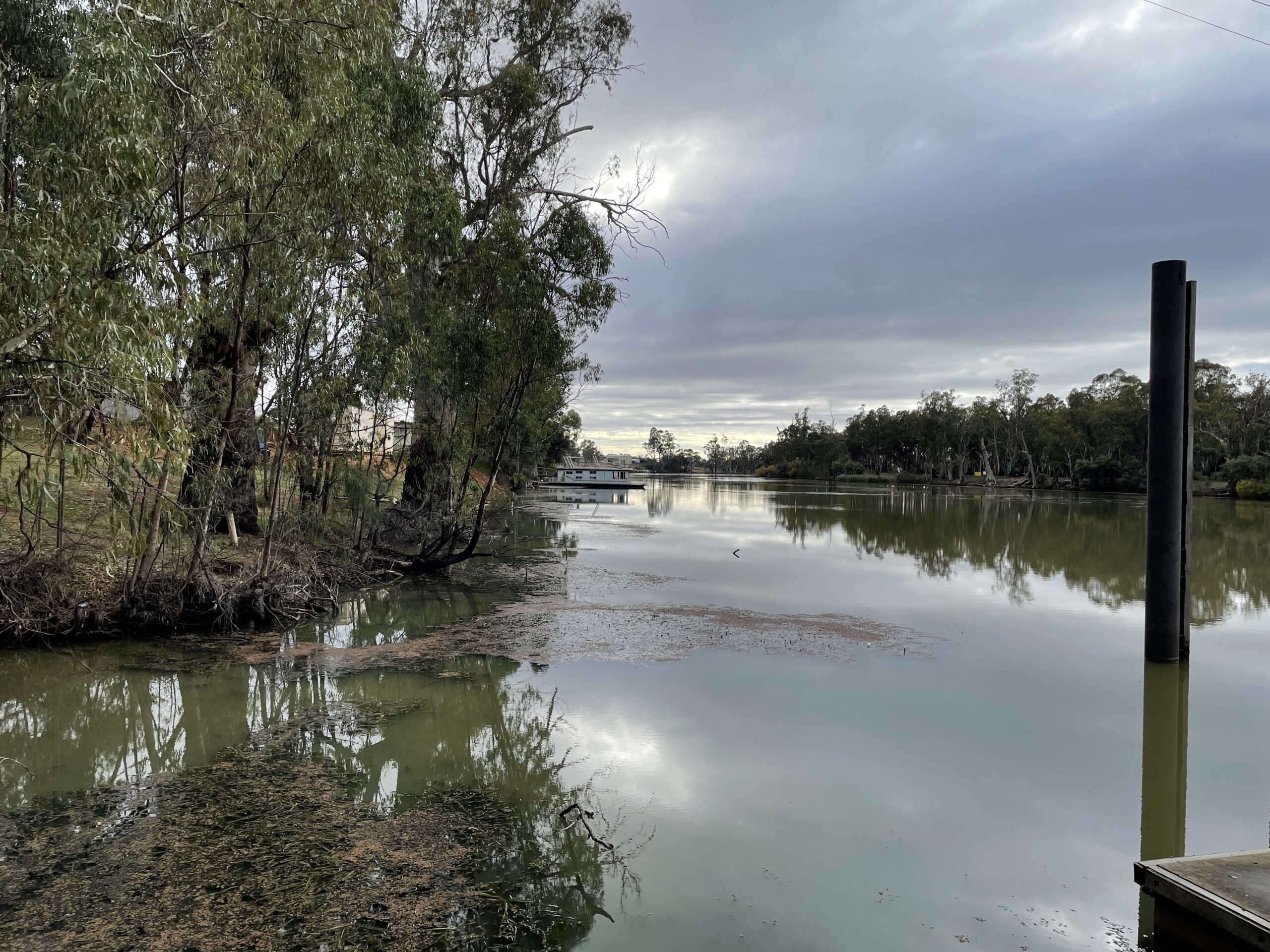
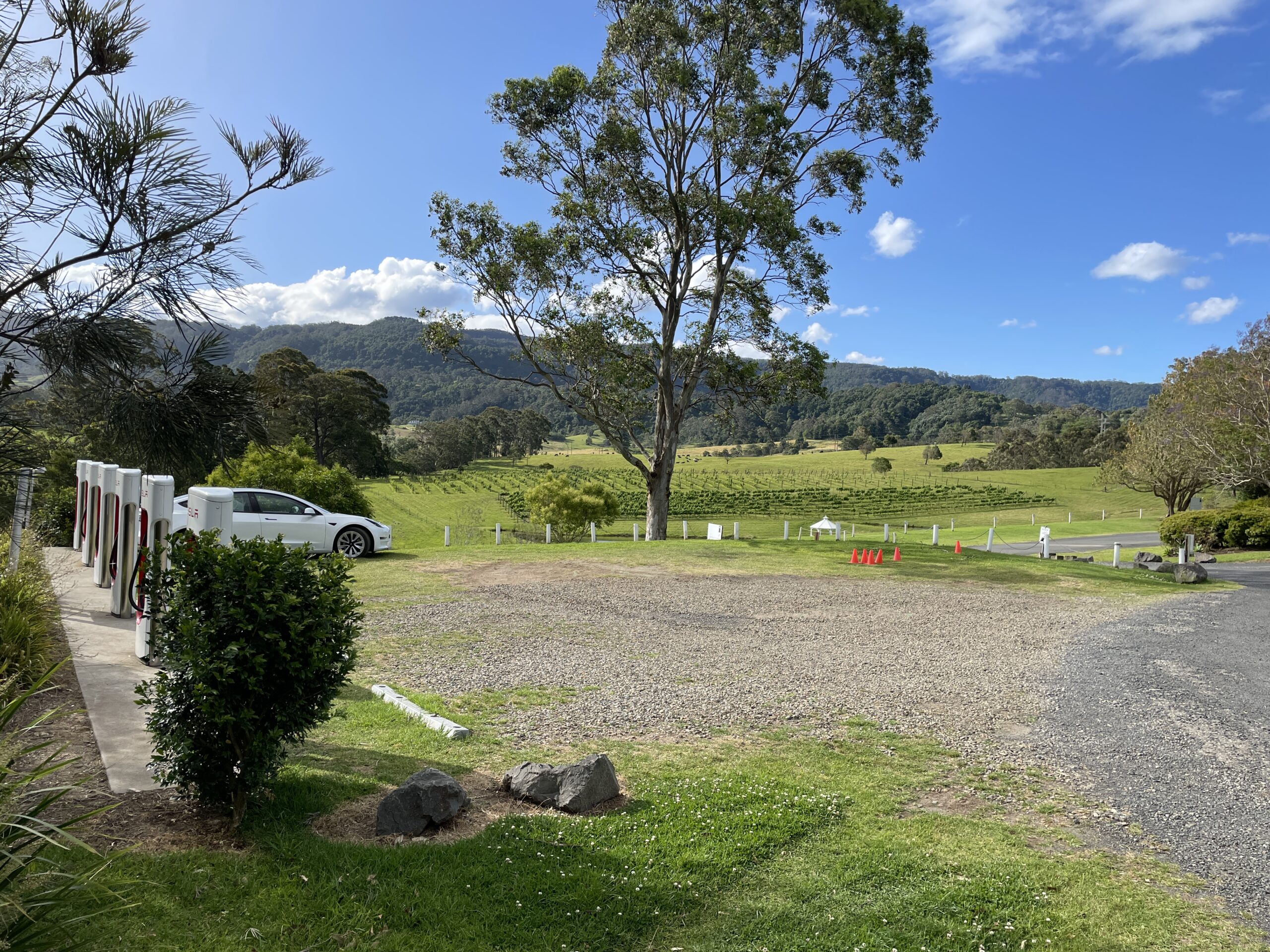
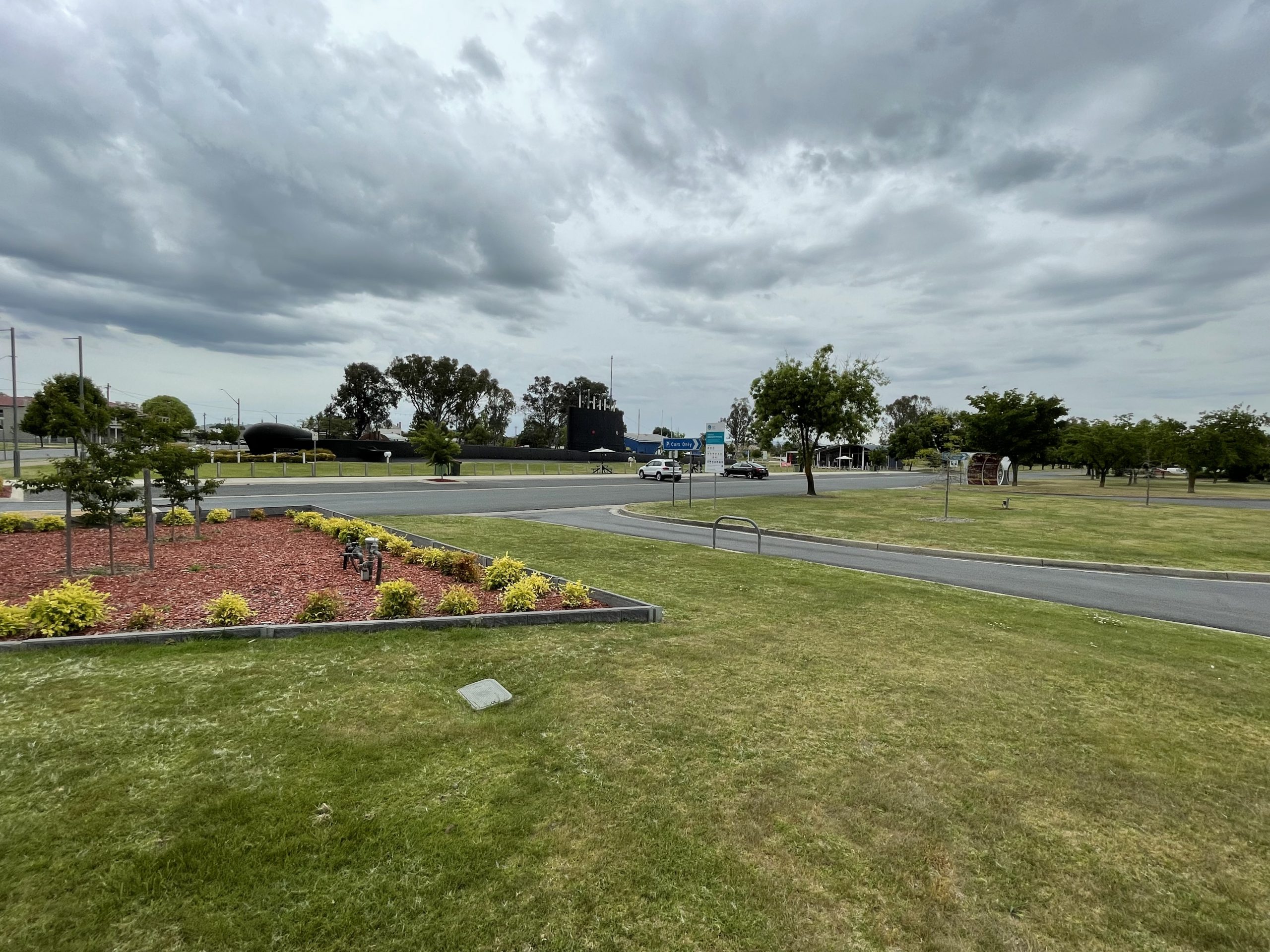
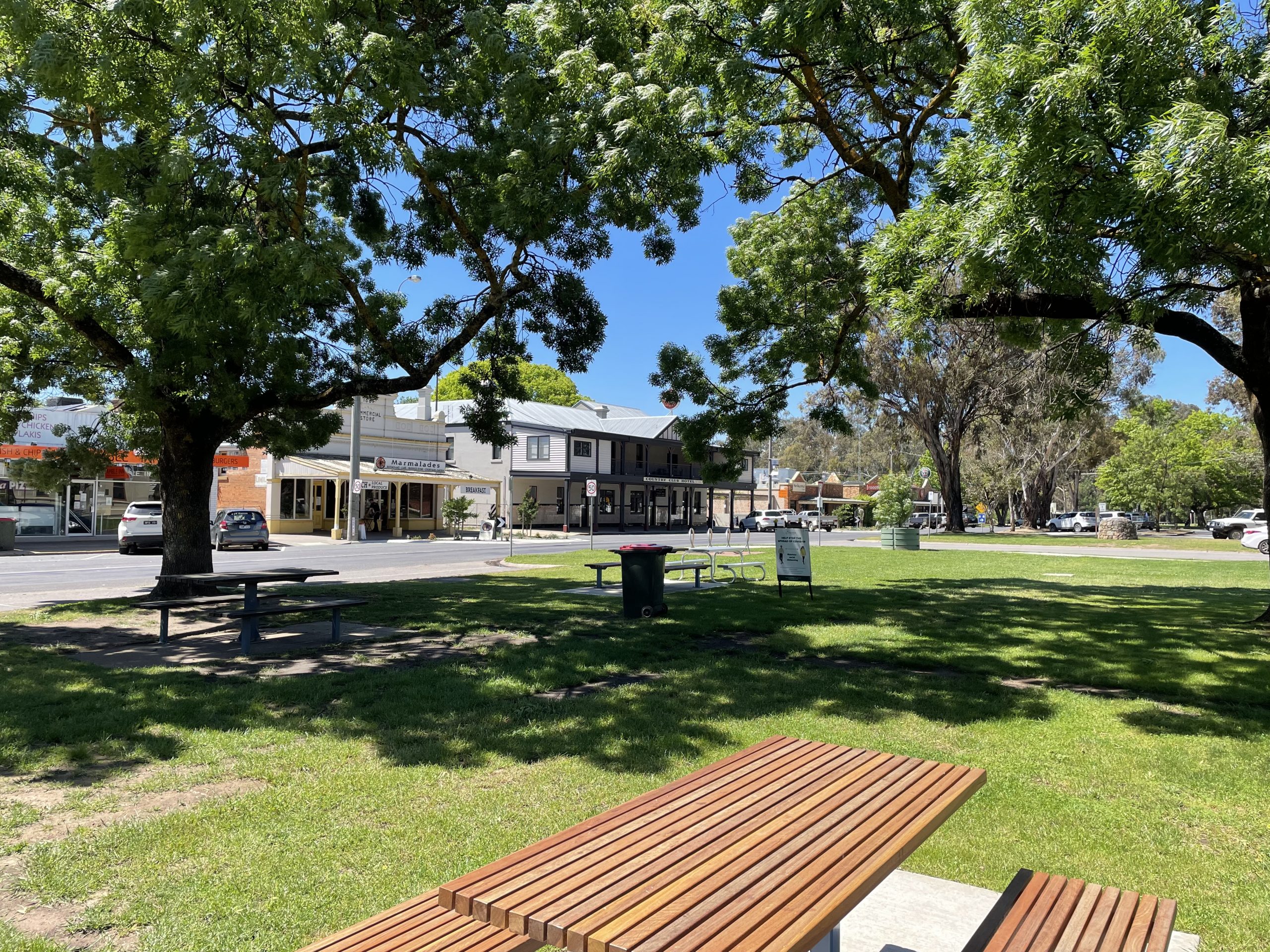
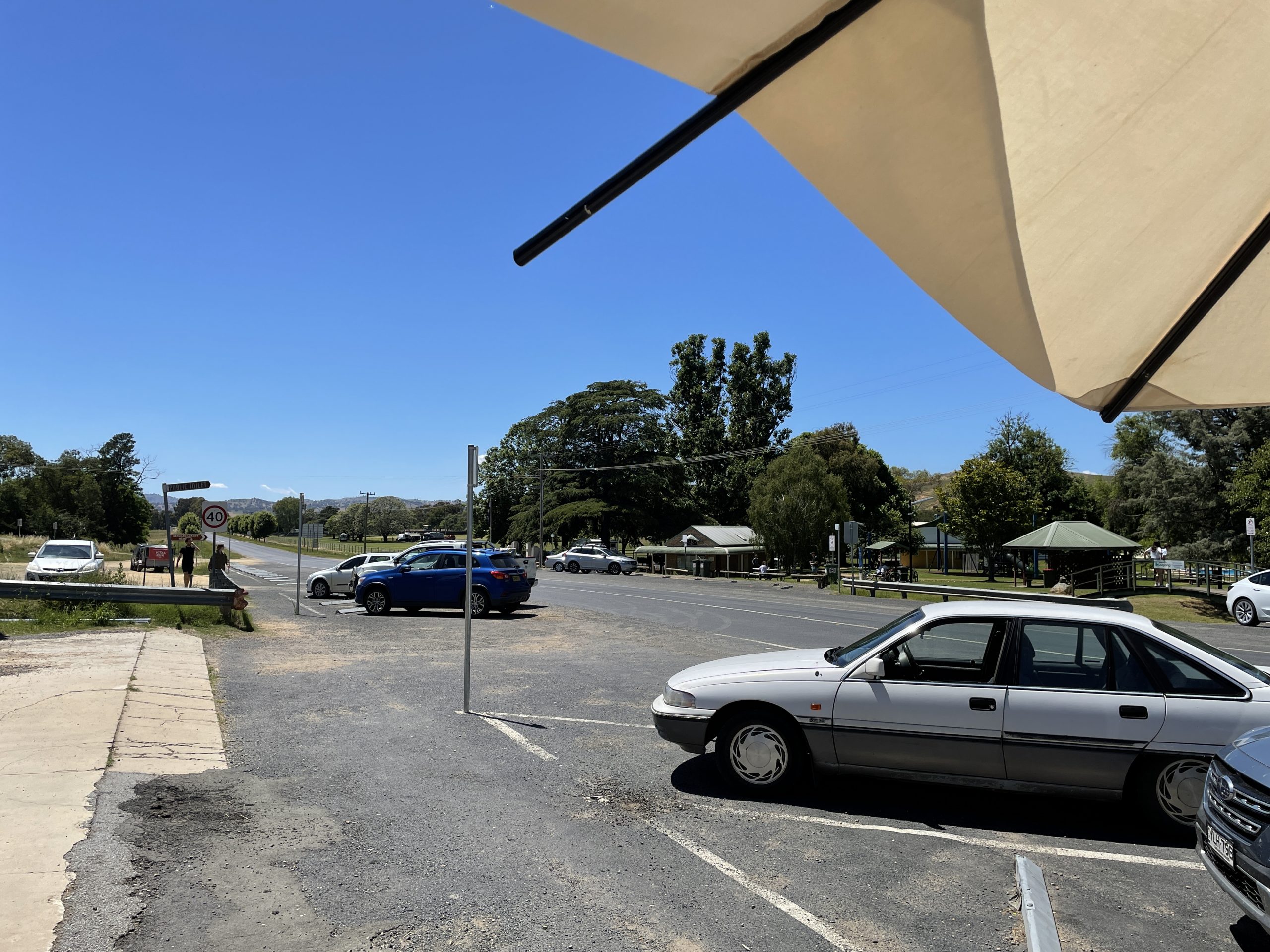
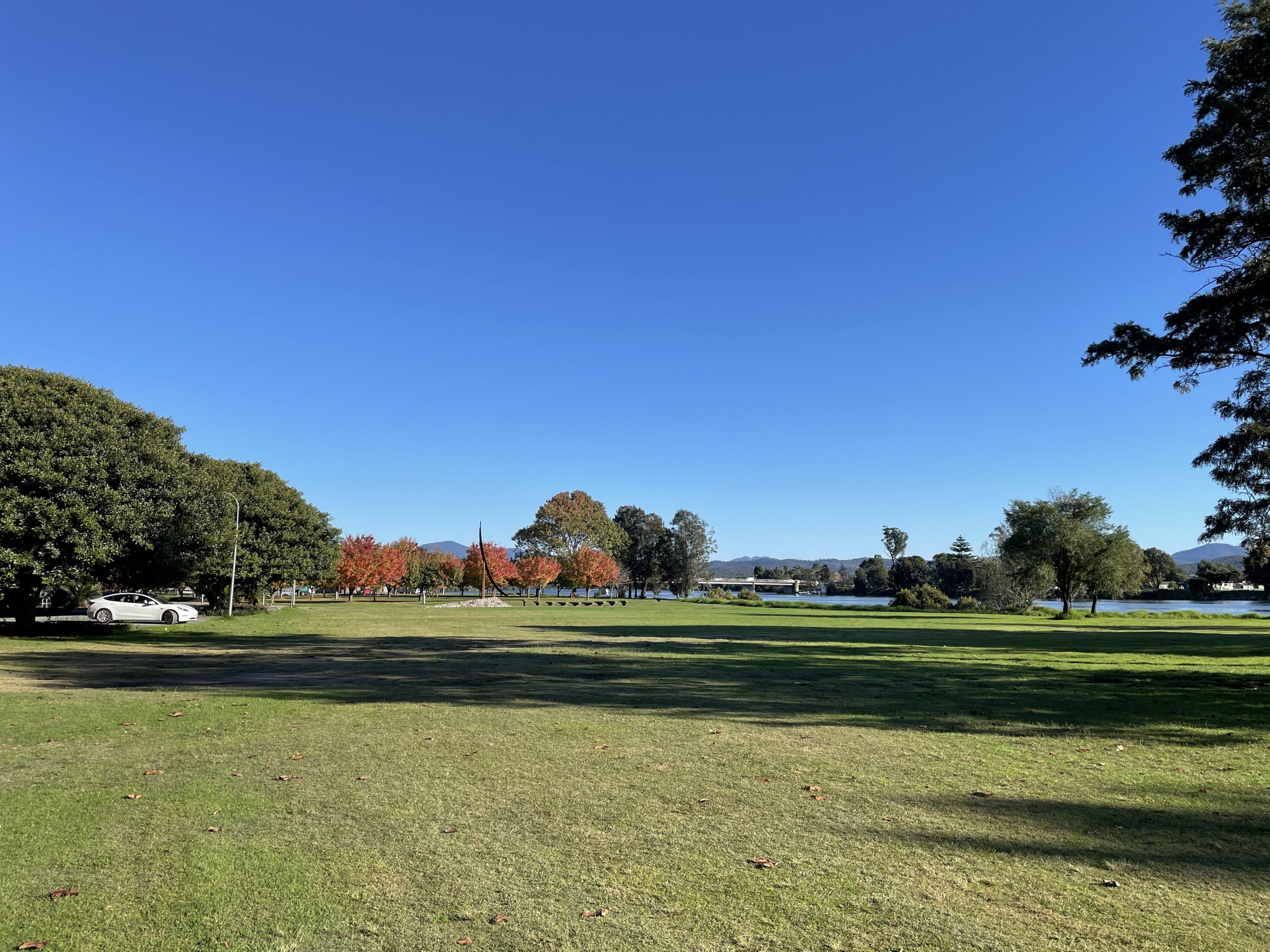
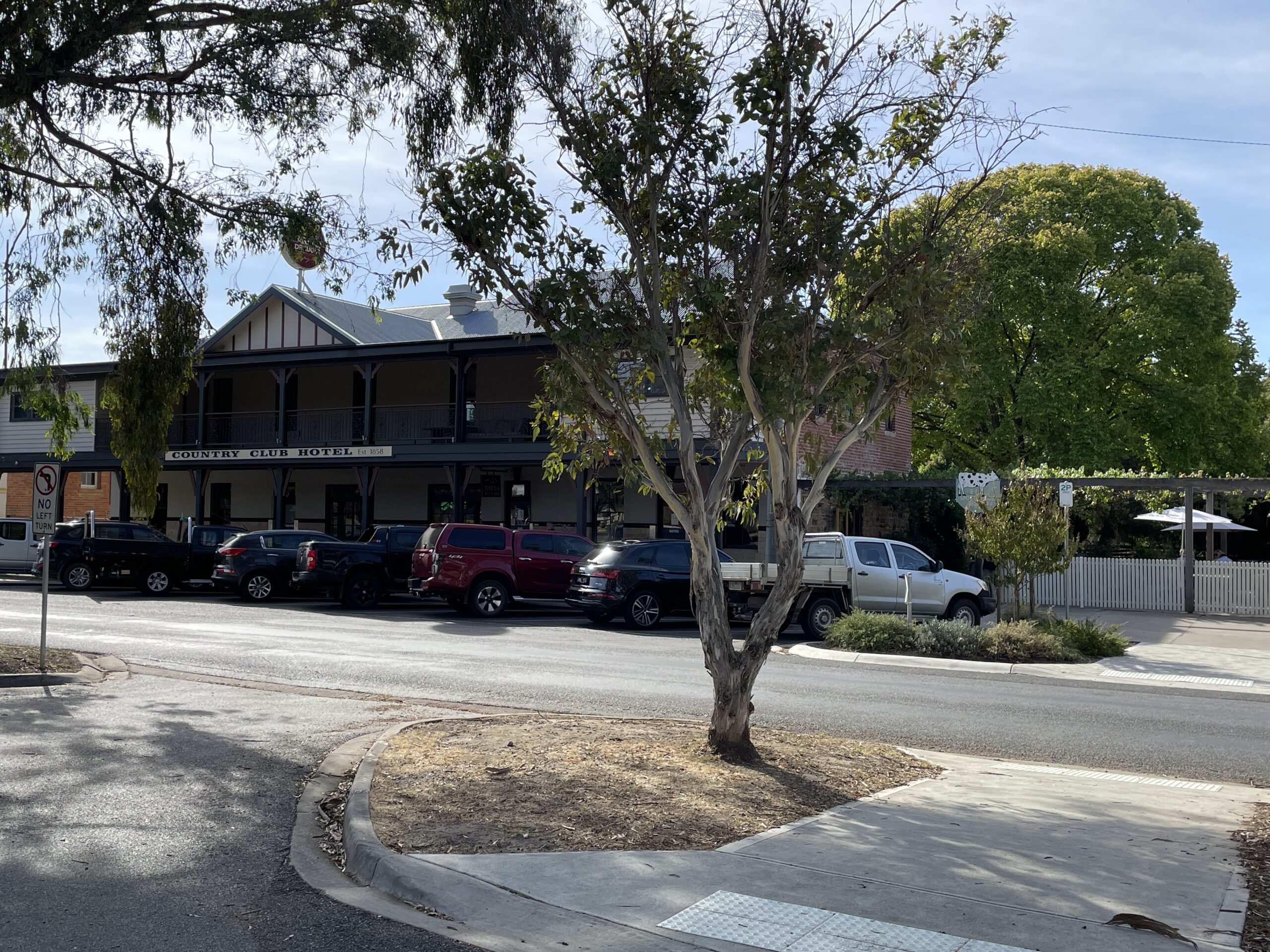
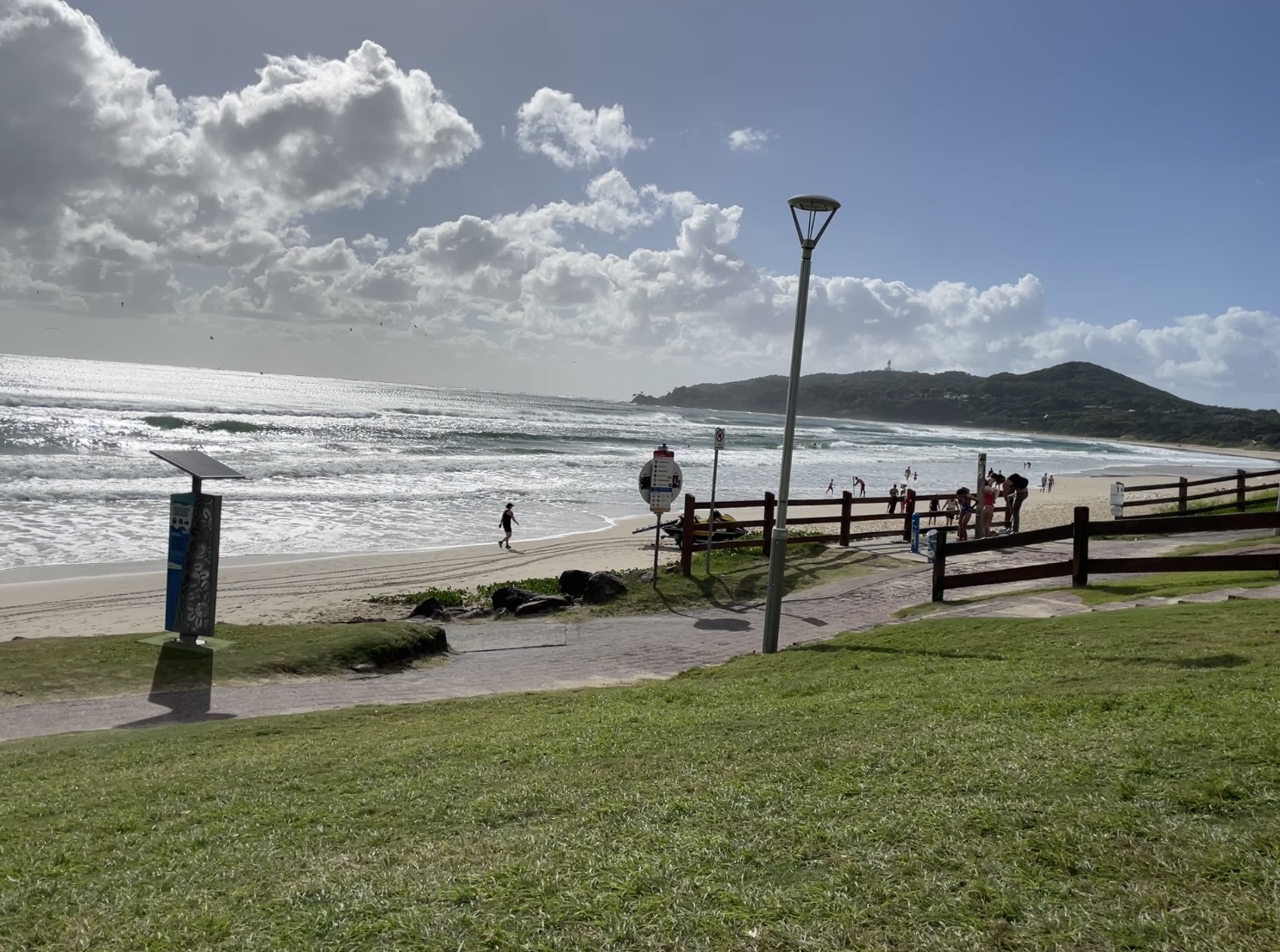
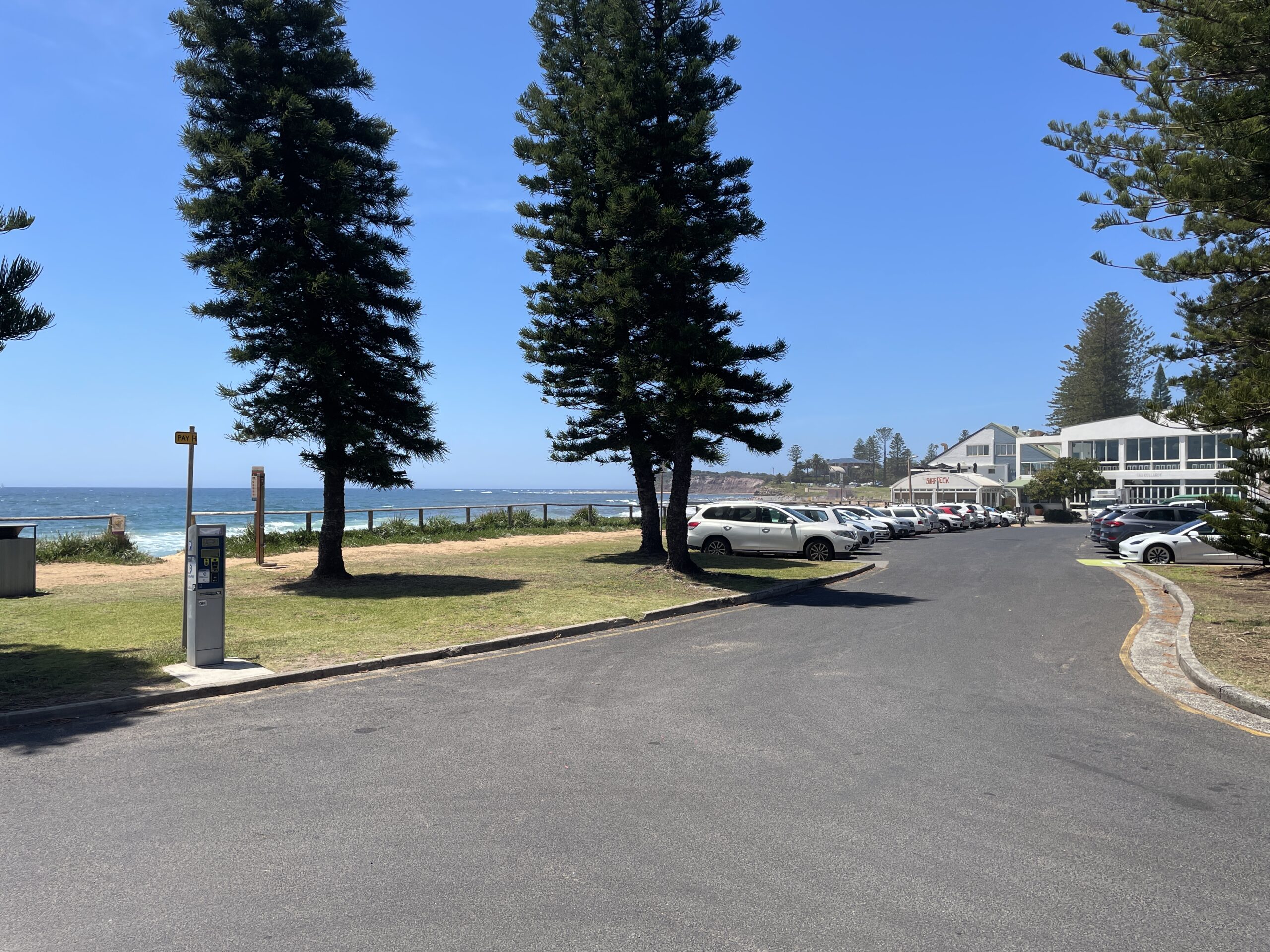
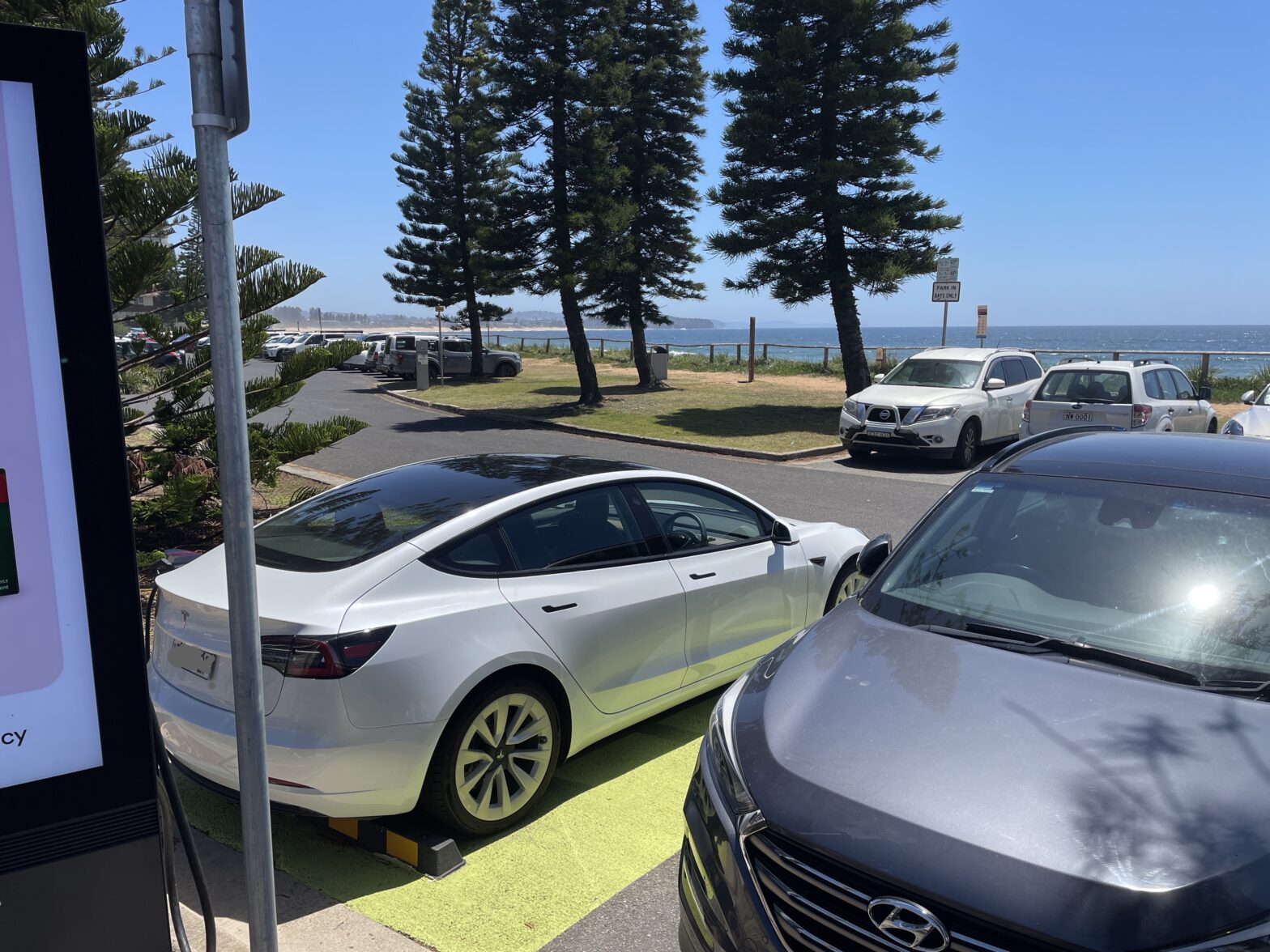
Sample of nice places I have visited and also had my car recharging while visiting there